



By Trokon Flahnma
MONROVIA – A broad coalition of government officials, lawmakers, financial regulators, development partners, and private sector leaders on Wednesday launched a renewed push to dismantle barriers limiting women’s access to finance, with speakers calling for legislative reforms, innovative financial products, and stronger institutional support to enable women-owned businesses to grow and contribute more significantly to Liberia’s economic development.
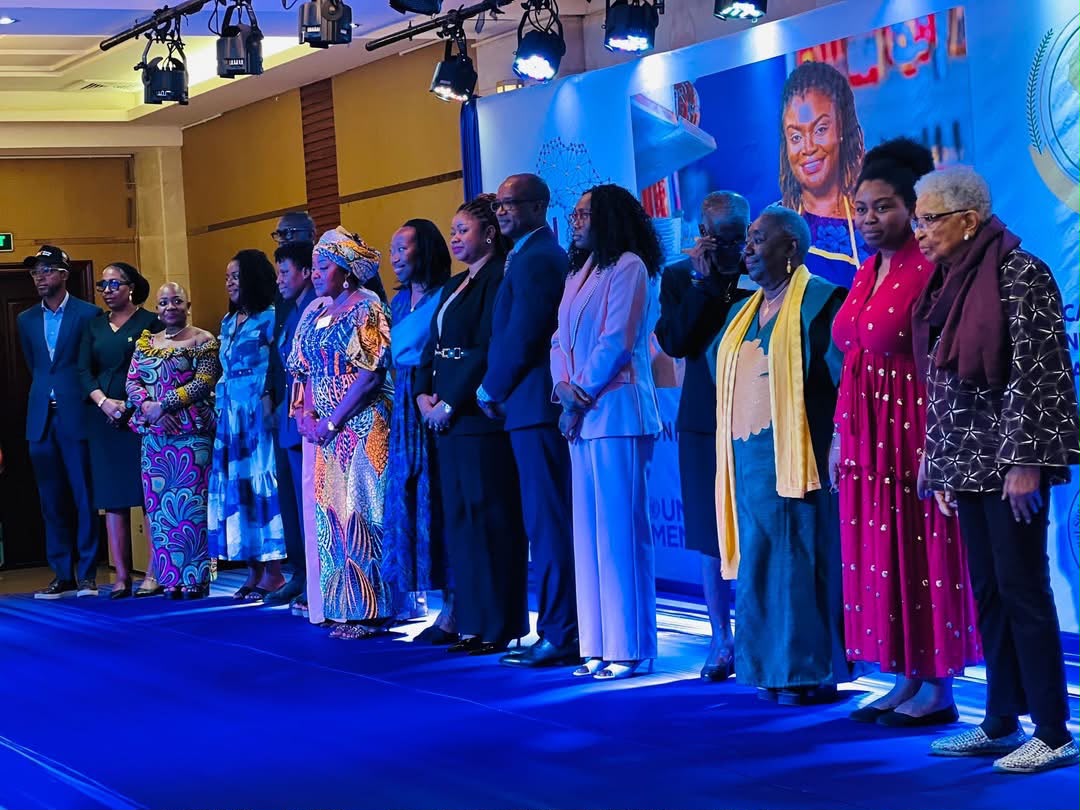
The call came at the opening of the National Conference on Women’s Financial Inclusion, a two-day forum organized by the Africa Women Leaders Network (AWLN) Liberia Chapter in partnership with the Central Bank of Liberia (CBL) and other partners at the Ministerial Complex in Congo Town.
Held under the theme, “Catalyzing Access. Unlocking Enterprise. Advancing Liberia,” the conference attracted more than 200 participants, including women entrepreneurs, commercial banks, mobile money providers, insurance companies, regulators, lawmakers, development agencies, civil society organizations, and business leaders.
The gathering is intended to move beyond policy discussions by connecting women entrepreneurs directly with financial institutions and regulators while identifying practical reforms that will improve access to credit, digital financial services, insurance, business registration, investment opportunities, and affordable financing.
Throughout the opening session, speakers emphasized that while Liberia has made progress in expanding financial inclusion, thousands of women entrepreneurs continue to face obstacles ranging from limited collateral and inadequate financing to business informality and limited access to modern financial products.
Former President Ellen Johnson Sirleaf, serving as a special guest, said Liberia’s efforts to strengthen women’s financial inclusion must be accompanied by responsible leadership and strong public institutions capable of inspiring confidence among citizens and investors.
Sirleaf said confidence remains one of the country’s most valuable economic assets, arguing that governments must demonstrate discipline, transparency, and accountability if they expect investors and development partners to commit long-term resources to Liberia.
She also encouraged women entrepreneurs to continue building credibility within the financial sector through responsible borrowing, sound business management, and proper pricing of their products.
According to the former President, Liberian women have already demonstrated that they are reliable borrowers by consistently honoring their financial obligations, helping to build confidence within banking institutions.
Representing the Ministry of Gender, Children and Social Protection, Deputy Minister Atty. Laura Golakeh called for a shift in the way women entrepreneurs are financed.
Golakeh challenged the long-held perception that market women and small business owners lack the capacity to manage larger loans.
“If women can successfully manage businesses that feed and educate their families, then they are capable of managing larger financial facilities,” she said.
She argued that the issue facing women entrepreneurs is no longer one of capacity but one of opportunity and access.
According to her, Liberia must move away from providing small grants that merely sustain businesses and instead establish financing mechanisms capable of helping women expand their enterprises, create employment, and build wealth.
Golakeh also highlighted the Liberia Women’s Empowerment Project (LWEP), supported by the World Bank, which is currently assisting more than 36,000 women-led businesses and community groups across six counties through Village Savings and Loan Associations, farmers’ organizations, and women-owned enterprises.
She further proposed the establishment of a specialized financial institution dedicated to supporting women entrepreneurs and young innovators with sustainable financing.
Delivering the keynote address on behalf of the Central Bank of Liberia, Deputy Governor for Operations James B. Wilfred described women’s financial inclusion as one of the most important drivers of Liberia’s long-term economic transformation.
Wilfred said expanding financial inclusion requires stronger collaboration among commercial banks, regulators, technology companies, government institutions, development partners, and entrepreneurs themselves.
He urged stakeholders to produce measurable outcomes from the conference by helping more women register their businesses, open bank accounts, establish credit histories, and access formal financing.
According to Wilfred, economic transformation occurs one enterprise at a time, making financial inclusion an essential component of national development.
He disclosed that women’s participation in commercial credit has increased to more than 25 percent, reflecting steady progress while also demonstrating significant room for improvement.
Wilfred challenged commercial banks to design products specifically tailored to women-owned businesses rather than relying solely on conventional lending models.
He also advocated reforms to address longstanding collateral challenges, particularly those associated with customary land ownership, which continues to prevent many women entrepreneurs from qualifying for loans.
Among the institutional reforms he proposed were the establishment of a specialized Financial Court to expedite commercial disputes and an Insurance Commission to strengthen confidence in Liberia’s financial system.
He further encouraged women entrepreneurs to formalize their businesses, maintain proper accounting records, comply with tax obligations, and embrace digital financial services to improve their creditworthiness and access to financing.
Meanwhile, Gbarpolu County Senator Amara Konneh, Co-Chair of the Senate Committee on Banking and Currency, used the conference to update participants on the proposed Informal Economy Development and Protection Act of 2026, legislation designed to bring thousands of informal businesses into Liberia’s formal economy.
Konneh said he has already secured eight of the 15 votes required to place the bill before the Senate for debate and remains optimistic that additional lawmakers will support the measure.
According to him, the legislation seeks to simplify business registration for micro and small enterprises, establish an Informal Economy Development Fund, and improve access to financing for entrepreneurs who have traditionally depended on informal savings groups or grants.
He emphasized that the proposed fund would provide responsible financing rather than free money and would include mechanisms to ensure accountability and repayment.
Konneh added that the legislation gives special consideration to women entrepreneurs while strengthening implementation of Liberia’s Small Business Empowerment Act to increase participation of Liberian-owned businesses in government procurement.
Also speaking during the opening session, World Bank Country Manager for Liberia Georgia Wallen described women’s financial inclusion as essential to reducing poverty and accelerating economic growth.
She noted that although women produce approximately 93 percent of Liberia’s food, they own only about 27 percent of businesses, illustrating the significant gap between women’s economic contribution and their access to formal financial services.
Wallen highlighted the achievements of the Liberia Women’s Empowerment Project and the Liberia Investment, Finance and Trade (LIFT) Project, noting that women-owned or women-managed enterprises account for nearly 60 percent of LIFT beneficiaries.
She said expanding women’s access to finance would not only strengthen households but also contribute significantly to Liberia’s overall economic growth.
Beyond the policy discussions, the conference includes financial literacy sessions, exhibitions, networking opportunities, and direct engagements between women entrepreneurs and financial service providers. Participants are receiving practical guidance on opening bank accounts, accessing loans, registering businesses, purchasing insurance, utilizing digital payment platforms, and navigating regulatory requirements.
Organizers say the conference reflects a growing national commitment to building an inclusive financial system where women entrepreneurs have equal opportunities to access capital, formalize their businesses, expand their enterprises, create jobs, and contribute to Liberia’s long-term economic transformation.
The conference concludes Thursday with panel discussions and stakeholder engagements expected to produce recommendations aimed at strengthening financial inclusion policies and expanding economic opportunities for women across Liberia.