






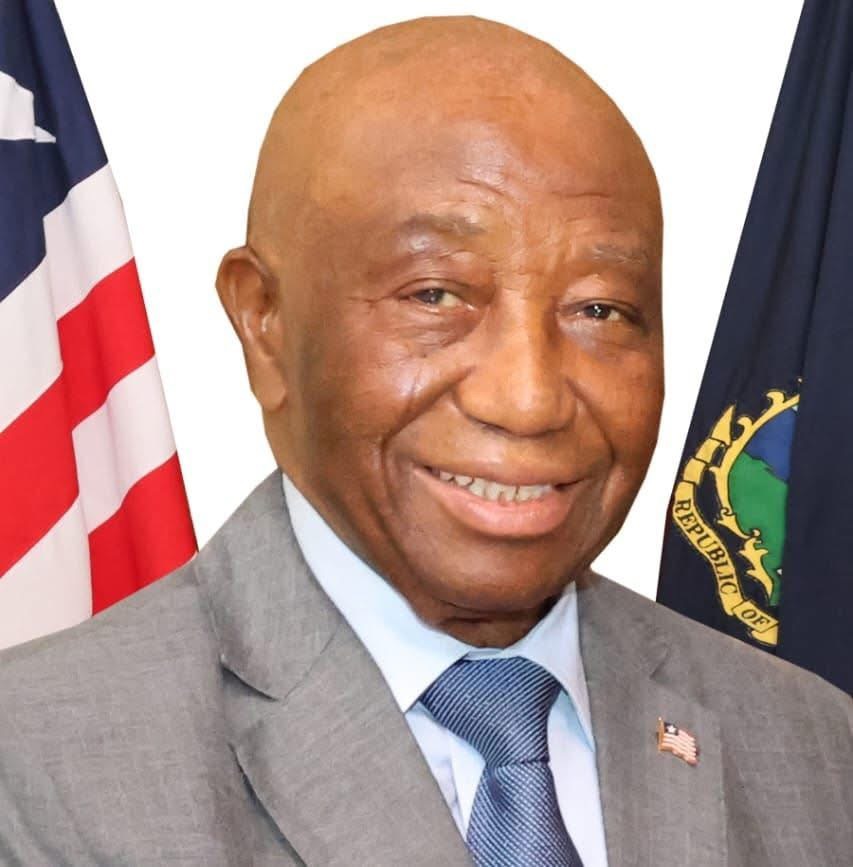
MONROVIA, Liberia – President Joseph Nyuma Boakai has announced that more than 10,000 appointed traditional chiefs across Liberia’s 15 counties will officially be placed on the Government of Liberia payroll effective July 1, 2026, in what officials are describing as a landmark step toward strengthening local governance and recognizing the contributions of traditional leaders nationwide.
The announcement marks a major policy shift aimed at providing financial security and formal government recognition to chiefs who have long served as the primary link between rural communities and the central government. For decades, many chiefs have performed administrative, conflict-resolution, and community mobilization duties with limited or irregular compensation, despite playing critical roles in maintaining peace and order in their respective localities.
According to the President, the initiative is part of his administration’s broader agenda to decentralize governance, empower local leadership structures, and ensure that traditional authorities are adequately supported in carrying out their responsibilities. Government officials say the move represents the most significant reform benefiting traditional leaders since Liberia emerged from years of civil conflict.
The inclusion of chiefs on the national payroll is expected to improve their welfare and boost morale among thousands of local leaders who often operate under difficult conditions. Many chiefs have previously complained about inadequate support, arguing that the absence of regular salaries undermined their ability to effectively serve their communities.
Beyond the payroll initiative, President Boakai disclosed that the government has begun deploying county buses to assist traditional leaders with transportation challenges. The buses are expected to facilitate the movement of chiefs to official meetings, community engagements, and other administrative functions within their counties.
Officials believe the transportation support will improve coordination between county authorities, local government officials, and traditional leaders, particularly in remote areas where poor road conditions and lack of transportation often hinder effective governance.
The government maintains that traditional leaders remain essential partners in national development, community dispute resolution, land management, public awareness campaigns, and the implementation of government policies at the grassroots level. By strengthening the capacity of chiefs, authorities hope to enhance citizen engagement and improve the delivery of services throughout the country.
The announcement has been welcomed by many traditional leaders, who view the decision as long-overdue recognition of their service to the nation. Observers say the initiative could significantly strengthen local governance structures and deepen collaboration between traditional authorities and the central government.
If fully implemented, the program will bring thousands of chiefs into the formal public service system for the first time, marking a historic milestone in Liberia’s efforts to modernize governance while preserving and supporting its traditional leadership institutions.