




By : P Uriah Suah
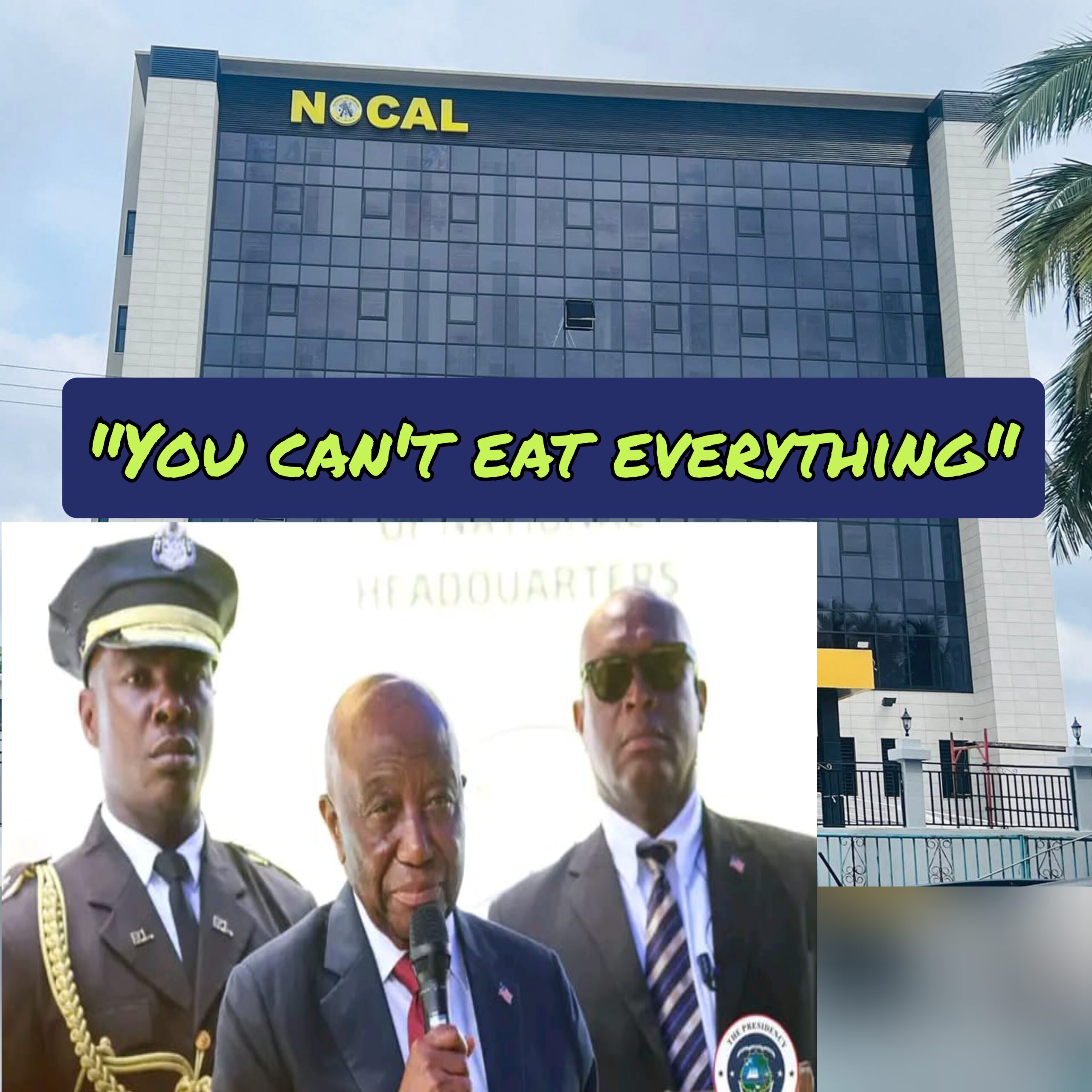
Monrovia, Liberia — President Joseph Nyuma Boakai has sharply reacted to criticisms that his administration is not focusing on solving the country’s “bread and butter” issues, but is instead concentrating largely on infrastructure development, emphasizing that “not everything can be eaten.”
He furthered that national development projects such as roads and public buildings are essential for attracting investors and restoring confidence in Liberia’s future, dismissing claims that such projects are wasteful or self-serving.
Speaking at the dedication of the newly constructed National Oil Company of Liberia (NOCAL) headquarters, President Boakai said some critics often try to downplay development efforts by claiming that government officials “eat” projects such as roads and buildings.
“You cannot eat roads or buildings,” President Boakai said. “These are the very things that give investors the confidence to come to your country. They show that your country is moving in the right direction.”
The President described the new NOCAL headquarters as a source of national pride, noting that modern and decent working environments are critical for productivity and for attracting partners and investors.&&&He commended NOCAL’s leadership, the architect, and the contractor for completing what he described as a significant and well-executed project, despite the common delays associated with large infrastructure developments.
“This is the Liberia we are hoping for. This is the Liberia we want to see—one where we are not just wishing for good things, but actually seeing them happen,” he said.
President Boakai also expressed gratitude to the Liberian Legislature for passing the national budget, which he referenced as approximately US$1.5 billion, describing it as a reasonable and cooperative effort that demonstrated unity among the branches of government.
“None of this would have happened if we were not working together. What is happening here is for all of us,” the President noted.
He stressed the importance of using national resources responsibly, adding that visible development reassures citizens and sends a positive signal to the international community.
Drawing a comparison, President Boakai said people do not “eat” clothes or shoes they buy but instead wear them to improve their lives—just as roads and buildings improve movement, dignity, and national image.
The Liberian leader reaffirmed his administration’s commitment to transforming the country, regardless of criticism, and made it clear that his focus is not on elections but on long-term national progress.
“We are not here for future elections; we are here for future generations,” President Boakai concluded.
The dedication ceremony marked another milestone in the government’s effort to promote accountability, infrastructure development, and renewed confidence in Liberia’s institutions.


