




By: George Cooper
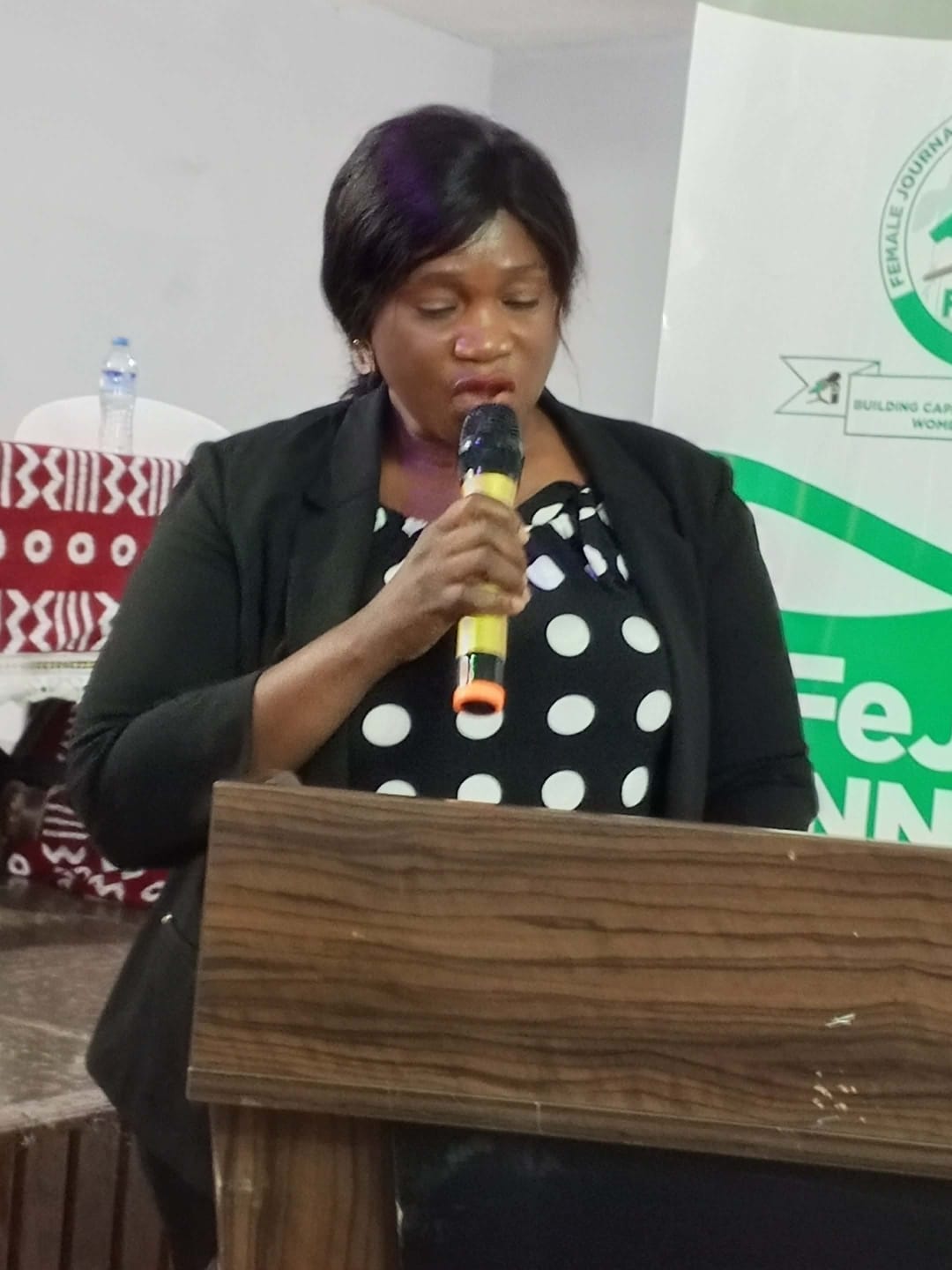
Monrovia, Liberia — The Executive Director of the Women NGOs Secretariat of Liberia (WONGOSO), Yeah David Yango, has called for urgent institutional reforms to strengthen women’s leadership and create safer, more supportive workspaces within Liberia’s media sector.
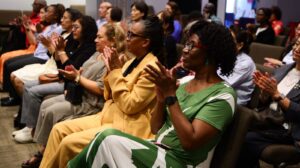
Speaking at a retreat organized by the Female Journalists Association of Liberia (FeJAL), Yango delivered a special statement under the theme “Strengthening Women’s Leadership and Representation: Building Supportive Workspaces for Growth in the Media.” The event brought together women journalists, media leaders, and partners to reflect on challenges facing women in the profession and to chart a path forward.
Yango commended FeJAL for what he described as its “unwavering leadership” in promoting women’s voices, safety, and influence in Liberia’s media landscape.
“This theme speaks to a reality many women journalists know too well,” Yango said. “Talent alone is not enough if the systems around us are unsafe, unequal, or unsupportive.”
He emphasized that women journalists play a critical role not only as storytellers, but as agenda-setters, truth-tellers, and defenders of democracy. However, he noted that many continue to face systemic barriers, including discrimination in leadership pathways, unequal pay, harassment, both online and offline and newsroom cultures that silence or sideline women’s voices.According to Yango, addressing these challenges requires more than individual resilience.
“Strengthening women’s leadership requires institutional change,” he stressed. “A supportive workspace is one where women journalists are safe from harassment and violence, where maternity and caregiving are not treated as weaknesses, and where ethical reporting is protected.”
He called on media institutions to move beyond token representation and to invest intentionally in women’s leadership pipelines, mentorship opportunities, and real decision-making power. Leadership, he added, should be measured not by dominance, but by integrity, collaboration, and courage.
Yango also highlighted the impact of women’s leadership on media content, noting that when women lead in newsrooms, women’s stories are told with greater dignity, depth, and accuracy.
He pointed to issues such as gender-based violence, political participation, climate justice, health, and economic inequality as areas that benefit from inclusive and responsible journalism.
“This is not advocacy journalism,” he said. “It is responsible, inclusive journalism.”Urging participants to recognize the power of the media to shape societal norms, Yango reminded journalists that the stories they choose to tell, or not tell can challenge violence, expose injustice, and shift public consciousness.
He further welcomed FeJAL’s ongoing efforts to develop a Five-Year Strategic Plan, describing the initiative as timely and necessary.
“I encourage you to anchor this plan in collective care, feminist leadership, safety, and sustainability,” Yango said. “When women journalists thrive, democracy is stronger.”
He concluded by reaffirming WONGOSO’s solidarity with FeJAL and women journalists across Liberia.“Your voices matter, your leadership is necessary, and your safety is non-negotiable,” he said. “WONGOSO stands with FeJAL in building a media sector where women lead, grow, and transform narratives for generations to come.”
The FeJAL retreat is expected to produce key recommendations aimed at strengthening women’s participation, leadership, and protection within Liberia’s media industry.


