




By: P Uriah Suah|0881137395
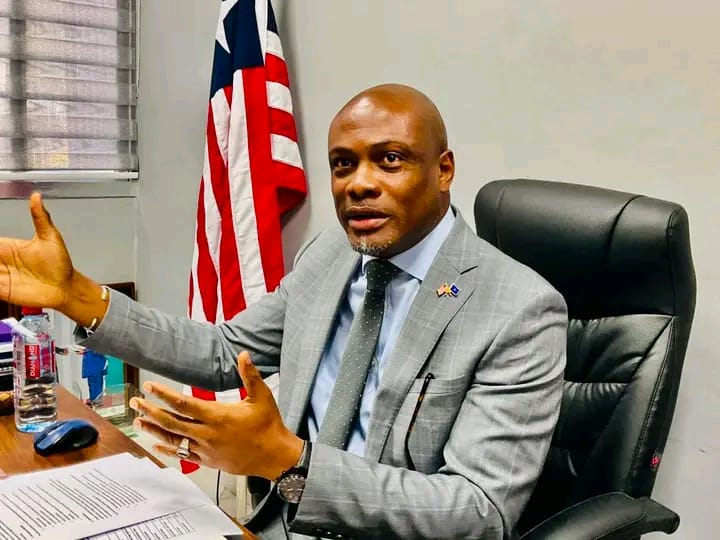
Monrovia, Liberia: Nimba County District Nine (9) Representative, Taa Wongbe, is urging the Government of Liberia to focus on addressing the growing wave of economic constraints faced by ordinary Liberians. He identified unemployment, the high cost of living, and the lack of financial independence as key challenges, and believes that adopting strategies capable of delivering real dividends to ordinary Liberians is the surest way forward. According to him, such strategies should create opportunities through job provision, price stabilization, and the promotion of financial independence.
Speaking during a recent appearance on OK FM, Rep. Wongbe acknowledged that certain economic signs under the current administration appear positive, including reductions in rice, fuel, and gas prices, as well as improved international perception of Liberia.
“No one can doubt that indicators are changing,” Wongbe said. “We see rice prices down, fuel prices down, and some positive outlook internationally.”
Wongbe at the same time warned against what he described as selective praise or blind criticism, stressing that leaders and commentators must speak objectively and in the interest of the country. According to him, President Joseph Boakai has made headway in some areas, but those gains are not translating into real improvements in the daily lives of most Liberians.
“The problem is that these developments are not translating into the rare and broader issues,” he said. “People are still suffering. The exchange rate is fluctuating, jobs are not there, and the private sector is not alive.”
He described the situation as a major contradiction, positive macroeconomic signals on paper, but persistent hardship at the household level. He said this disconnect explains why public complaints remain high despite government claims of progress.
“It’s hitting people in their pockets,” he emphasized. “That’s the bread-and-butter issue.”
The lawmaker noted that this challenge is not unique to the current administration, arguing that similar criticisms trailed previous governments, while warning against unfair comparisons, particularly with the administration of former President Ellen Johnson Sirleaf. According to Wongbe, Sirleaf governed in a post-war environment with a national budget of about US$80 million, which later expanded to over US$500 million, while also managing decentralization efforts and the Ebola crisis. Turning to the CDC-led government, Wongbe described that period as one of Liberia’s most difficult, citing poor international optics, regional distrust, sanctions, COVID-19, and economic instability. He stressed that Liberia’s international prestige declined significantly during that era.
Wongbe said he remains committed to speaking truthfully, even when it reflects negatively on his own party. He criticized what he called excessive online propaganda that highlights isolated achievements while ignoring the economic pain faced by citizens.