





The Liberian Senate has invalidated the Civil Service Agency’s recruitment of volunteer teachers for the Monrovia Consolidated School System (MCSS), describing the process as flawed and inconsistent with established administrative procedures.
The decision followed the adoption of a detailed report from the Senate Committee on Education and Public Administration, chaired by Margibi County Senator Nathaniel F. McGill, which uncovered concerns about inter-agency overlap, weak coordination, and threats to stability within the public education system.
The Senate ruled that the recruitment of teachers and their placement on government payroll must no longer be handled by a single institution acting independently. Lawmakers emphasized that any future recruitment exercise must be jointly undertaken by the Civil Service Agency, the Monrovia Consolidated School System, and the Ministry of Finance and Development Planning to ensure transparency, accountability, and proper verification. In doing so, the Senate affirmed MCSS as the primary recruiting authority for its workforce, while maintaining the CSA’s oversight role in line with the civil service framework.
The Senate’s intervention was triggered by growing complaints from teachers, administrators, and faculty members within MCSS and public universities regarding salary disparities, welfare concerns, and administrative confusion. These issues were formally communicated to the Senate in November and culminated in a public hearing held on December 15, during which lawmakers heard testimonies from officials of the CSA, MCSS, and other relevant institutions.
Findings from the hearing revealed that the CSA and MCSS had been operating in parallel, leading to overlapping recruitment efforts and the inclusion of individuals on the payroll who had not been properly verified by MCSS. Senators noted that such practices not only undermined institutional authority but also created tension between agencies and uncertainty for teachers whose employment status remained unclear. The committee warned that failure to correct these irregularities could prolong instability in the country’s public education system.
In addressing the MCSS situation, the Senate ordered a fresh and transparent employee verification exercise to be jointly conducted by MCSS, the CSA, the Ministry of Finance and Development Planning, and representatives of the Senate Committee on Education and Public Administration. Lawmakers further directed that supplementary payments to individuals not duly verified by MCSS be halted, while payroll access should be granted to the Acting Superintendent of MCSS to enable effective administrative control.
The Senate also took specific note of the case involving Mr. Emmanuel Robinson, who was appointed Assistant Superintendent of MCSS by the President of Liberia. The committee found that despite his status as a presidential appointee, his appointment and remuneration had not been properly regularized by the CSA. As a result, the Senate directed the CSA to immediately regularize his appointment and pay grade in keeping with his official status and to respect the authority of the presidency in such appointments.
Beyond MCSS, the Senate’s report highlighted deeper structural problems affecting public universities, particularly salary disparities and welfare challenges confronting faculty members. The committee established that instructors with similar qualifications and responsibilities were being paid differently across public institutions, fueling dissatisfaction and the threat of industrial action. Senators described the situation as an educational and administrative crisis that demanded urgent government attention.
To address these concerns, the Senate called for the development of a unified salary harmonization framework for instructional staff across all public universities, to be submitted jointly by the CSA, the National Commission on Higher Education, the Ministry of Education, and the Ministry of Finance and Development Planning. The report also urged the government to establish a standardized research allowance for faculty members, introduce a mandatory life and medical insurance scheme for university staff nationwide, and prioritize infrastructure development at rural public universities, where conditions were found to be particularly challenging.
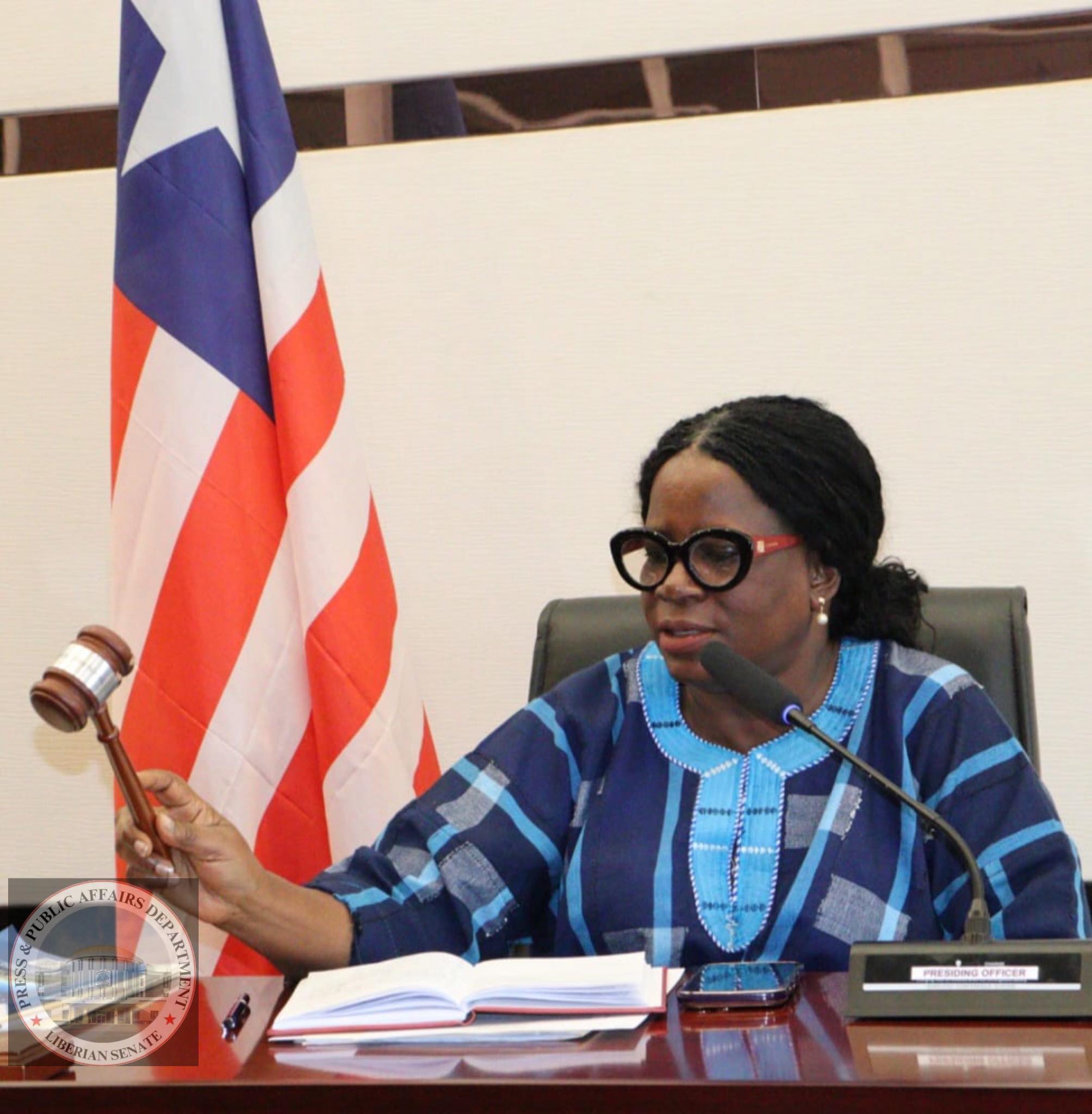
In adopting the committee’s findings and recommendations during plenary on December 16, the Senate directed all relevant institutions to comply fully and submit progress reports within thirty days. Lawmakers reassured teachers, faculty members, and administrators that the Senate remains committed to addressing their concerns through lawful and coordinated reforms, stressing that a stable, transparent, and equitable education system is essential to Liberia’s national development.


