




By: Wilmot Konah
MONROVIA – Liberia’s painful civil war history came alive through powerful photographs and personal reflections on Wednesday as the Female Journalists Association of Liberia (FeJAL), alongside partners implementing the PeaceGen Liberia Project, and the Office for the Establishment of the War and Economic Crimes Court launched a national photo exhibition aimed at preserving the country’s historical memory while renewing public support for reconciliation, accountability, and the establishment of the courts.
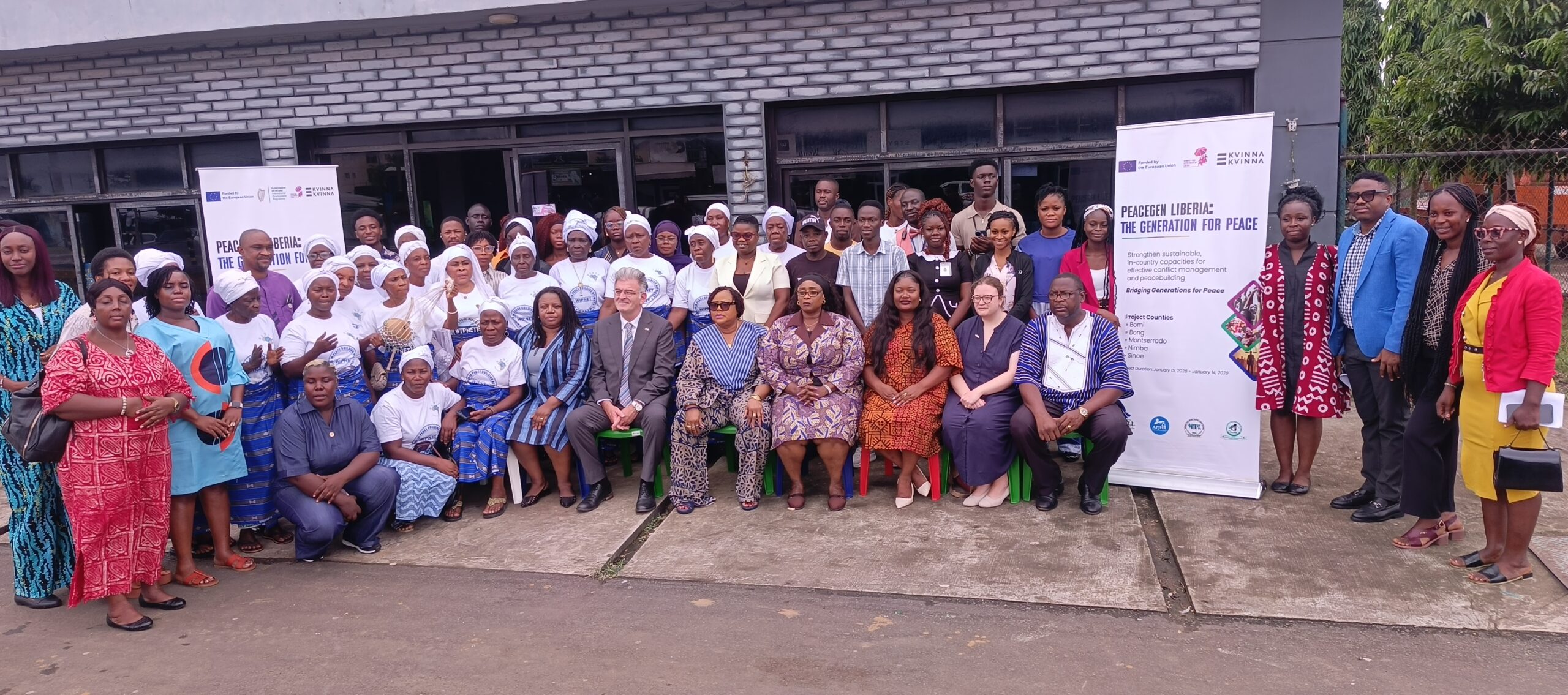
Held at the Women in Peacebuilding Network (WIPNET) Peace Hut at Invincible Park under the theme “Liberia’s Next Chapter: A Photo Exhibition on Justice, Peace, and Renewal,” the event brought together government officials, diplomats, journalists, civil society organizations, youth leaders, women, development partners, and survivors of the civil war. Through photographs, historical archives, and survivor-centered stories, participants reflected on Liberia’s journey from conflict to peace and the importance of justice in sustaining national reconciliation.
Providing an overview of the exhibition, FeJAL President Lisa T. Diasay said the initiative is more than a display of photographs, describing it as a living record of Liberia’s journey through conflict, resilience, and peace. She said the exhibition seeks to preserve Liberia’s historical memory while encouraging especially young Liberians to reflect on the country’s past, embrace reconciliation, and continue advocating for justice as the foundation for sustainable peace.
Providing an overview of the PeaceGen project, Kvinna till Kvinna Liberia, Program Manager Agiechie Comfort Baysah said sustainable peace cannot be achieved without justice and the meaningful participation of women, survivors, and young people. She noted that the exhibition creates a space for dialogue, remembrance, and collective action, stressing that reconciliation and accountability remain essential to building an inclusive and peaceful Liberia.
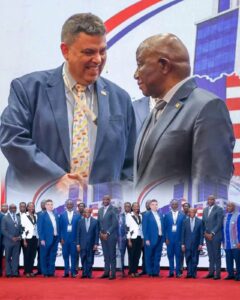
Irish Ambassador to Liberia Gerard Considine praised the exhibition as a meaningful initiative that preserves Liberia’s history while promoting dialogue on reconciliation and justice. He reaffirmed Ireland’s commitment to supporting peacebuilding, youth engagement, and transitional justice through the PeaceGen Liberia Project, emphasizing that acknowledging the past is essential to building a peaceful, inclusive, and democratic Liberia.
Representing the Liberia Coalition on Youth, Peace and Security, Gabriel Sau Tubay shared a personal account of how Liberia’s civil conflict affected his family, recalling that his mother’s dream was interrupted by the war. He stressed that young people should not be viewed only as tomorrow’s leaders but as today’s peacebuilders, whose active participation is critical to shaping Liberia’s future.
Delivering remarks on behalf of the Office for the Establishment of the War and Economic Crimes Court (OWECC), Cllr. Asatu Bah Kenneth, Director of the Anti-Corruption Division, described the WIPNET Peace Hut as sacred ground where Liberian women united across religious and social divides to pray for peace during the civil war. She said lasting peace cannot be achieved by simply forgetting the past, emphasizing that justice must prevail and that truth and accountability are indispensable to Liberia’s healing and reconciliation process. She also praised President Joseph Nyuma Boakai for supporting efforts to establish the War and Economic Crimes Court.
The President of the Press Union of Liberia (PUL), Julius Kanubah, commended FeJAL and its partners for preserving Liberia’s history through photography, describing the exhibition as an important educational tool that keeps national conversations on justice, democracy, and accountability alive. He reaffirmed the PUL’s commitment to supporting initiatives that advance justice and warned that prolonged delays in establishing the War and Economic Crimes Court could undermine the country’s transitional justice efforts.
Also speaking, Benedict T. Sonyah of the Liberia Massacre Survivors Association (LIMASA) observed that the exhibition coincided with the anniversary of the 1990 St. Peter’s Lutheran Church massacre. He called on the government, civil society organizations, and international partners to ensure political considerations do not derail ongoing efforts to establish the War and Economic Crimes Court.
Following the formal program, participants toured the exhibition and viewed photographs depicting Liberia’s journey from civil conflict to peace. They also visited the Peace Reflection Wall, Peace Letter Box Archive, and Memorial Line, where they left messages honoring victims of the civil war and expressing hope for a peaceful and united Liberia.
The exhibition formed part of the PeaceGen Liberia: The Generation for Peace Project, a three-year initiative funded by the European Union and co-funded by the Embassy of Ireland. The project is implemented by a consortium comprising the Kvinna till Kvinna Foundation (KTK), the Women NGO Secretariat of Liberia (WONGOSOL), the Female Journalists Association of Liberia (FeJAL), the Association of Female Lawyers of Liberia (AFELL), the Alliance for Peace, Justice and Human Rights (APJHR), and the National Young Women’s Political Council of Liberia (NYWPCL), with support from the Office for the Establishment of the War and Economic Crimes Court (OWECC).


