

By Trokon Flahnma
MONROVIA – For two days, the halls of the Ministerial Complex in Congo Town became the center of a national conversation on one of Liberia’s most pressing economic priorities: ensuring that women have equal access to financial opportunities that can transform their businesses, strengthen families, and accelerate national development.
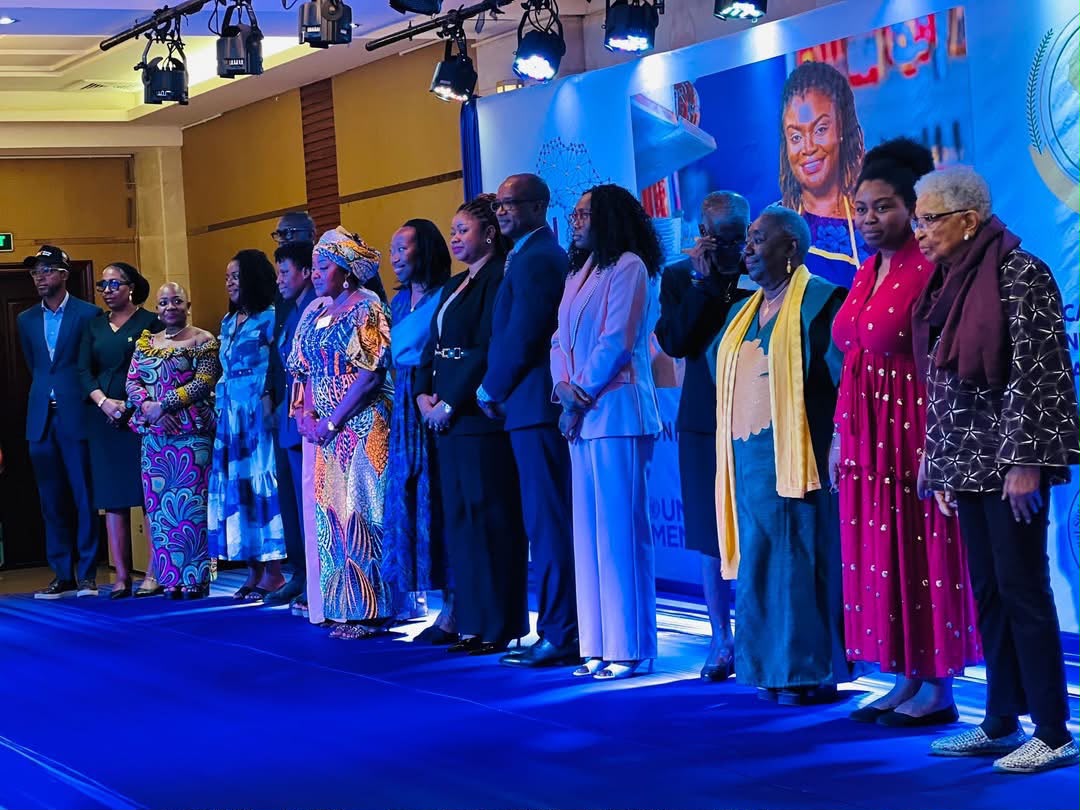
The National Conference on Women’s Financial Inclusion, organized by the African Women Leaders Network (AWLN) Liberia Chapter in collaboration with the Central Bank of Liberia (CBL), UN Women, the United Nations Development Programme (UNDP), the World Bank, and other partners, concluded on Thursday, July 30, 2026, with a comprehensive roadmap aimed at dismantling barriers that continue to prevent thousands of Liberian women from fully participating in the country’s financial system.
Held under the theme, “Catalyzing Access. Unlocking Enterprise. Advancing Liberia,” the conference brought together more than 200 participants representing government ministries and agencies, the Legislature, commercial banks, rural community finance institutions, credit unions, insurance companies, mobile money providers, development partners, civil society organizations, traditional leaders, academia, and women entrepreneurs from every region of Liberia.
Throughout the conference, one message echoed repeatedly: women’s financial inclusion is no longer simply a gender issue; it is an economic imperative central to Liberia’s growth, job creation, food security, and long-term prosperity.
Beyond Access to Money
Participants argued that financial inclusion extends far beyond opening bank accounts. True inclusion, they said, means enabling women to access affordable loans, digital financial services, insurance, business training, secure land ownership, legal protection, and markets where their businesses can thrive.
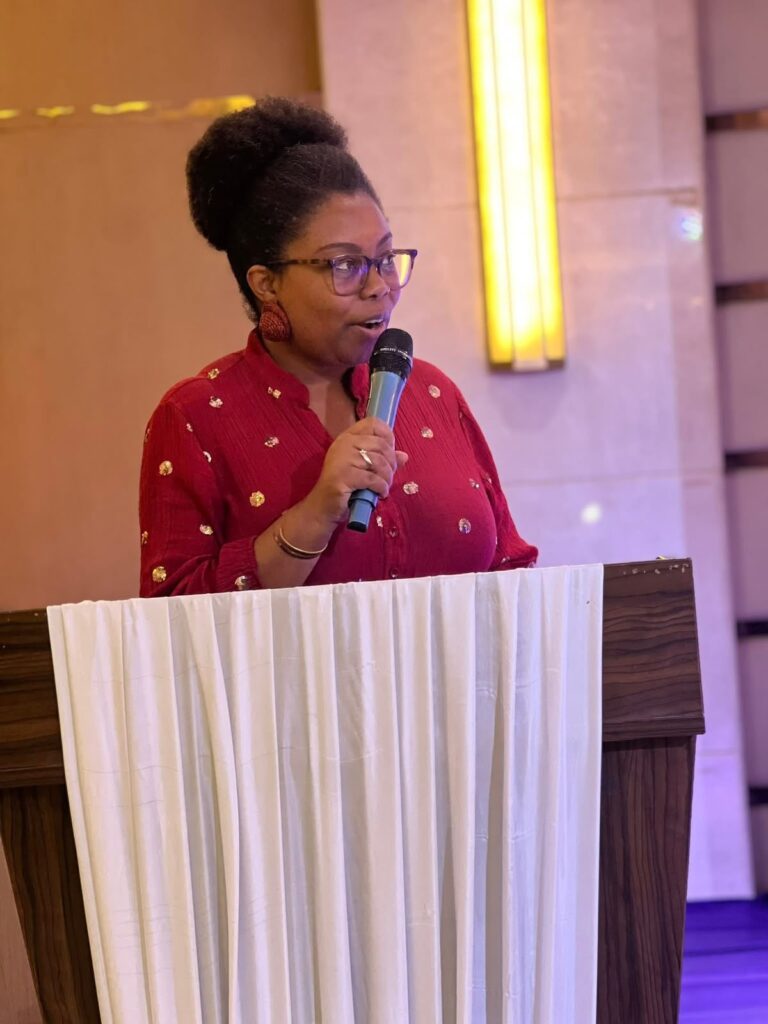
Presenting the conference recommendations, Lillian L. Best, Co-Lead of AWLN Liberia’s Financial Inclusion Pillar, said participants were determined to ensure that the discussions produced measurable reforms rather than remaining recommendations on paper.
Among the conference’s strongest recommendations was a call to strengthen non-bank financial institutions, including credit unions, village savings and loan associations, rotating savings groups, and community finance organizations that serve women often excluded from conventional banking.
Delegates noted that these institutions remain the first source of financial support for many market women, farmers, fish processors, and small business owners operating in rural Liberia.
Participants urged policymakers to recognize both the formal and informal economies within Liberia’s financial inclusion agenda while expanding digital services capable of reaching communities where traditional banking infrastructure remains limited.
Building Financial Knowledge
One recurring concern was financial literacy. Delegates observed that many women entrepreneurs possess the determination and business ideas needed to succeed but often lack sufficient knowledge about banking products, savings, investment, bookkeeping, insurance, taxation, and loan management.
To address this challenge, participants recommended establishing continuous financial education programs and interactive forums in every county.
Rather than limiting financial literacy campaigns to Monrovia, they proposed county-based outreach initiatives involving banks, regulators, women’s organizations, cooperatives, schools, and local authorities.
The objective is to ensure women understand how to prepare business plans, maintain financial records, build credit histories, utilize digital banking platforms, and negotiate effectively with financial institutions.
Digital Finance Taking Center Stage
As Liberia’s digital economy expands, conference participants agreed that technology must become a powerful tool for women’s economic empowerment. Women entrepreneurs were encouraged to embrace digital banking, electronic payments, mobile wallets, and online financial services capable of reducing business costs and improving transparency. Participants emphasized that digital finance allows business owners to reduce cash-related risks, maintain transaction records, establish financial credibility, and access formal credit more easily.
However, delegates also stressed that digital inclusion requires confidence, practical training, and reliable service delivery.
Tackling Mobile Money Challenges
Because mobile money has become one of Liberia’s fastest-growing financial services, participants dedicated considerable attention to improving customer protection. The conference recommended nationwide fraud awareness campaigns, stronger consumer protection measures, improved customer complaint systems, and stricter monitoring of fraudulent activities affecting users.
Delegates further urged mobile money providers to address public concerns surrounding excessive withdrawal fees charged by some agents while improving systems for resolving merchant payment disputes. Recognizing that delayed transaction messages frequently create uncertainty among customers, participants also called for greater public education explaining messaging delays and transaction processing.
To improve public understanding, the conference proposed producing short educational videos, radio programs, community demonstrations, and simplified social media content explaining how individuals, business owners, and agents can safely use mobile money platforms.
Affordable Credit Still a Major Challenge
Perhaps no issue generated more discussion than access to affordable credit. Women entrepreneurs repeatedly described high lending rates, collateral requirements, and limited access to long-term financing as major barriers preventing business expansion.
Participants therefore urged financial institutions to review lending policies and design products specifically tailored to women-owned businesses.
Delegates welcomed plans by the Central Bank of Liberia to convene a national conference on non-performing loans, expressing hope that the discussions will contribute to more balanced lending practices while protecting both borrowers and financial institutions.
They also encouraged stronger partnerships between commercial banks, wholesalers, and women-owned enterprises through supplier credit arrangements capable of supporting business growth.
Land Rights and Access to Finance
One of the conference’s most significant discussions focused on the relationship between land ownership and financial inclusion. Participants observed that many women cannot access bank loans because they lack legally recognized ownership documents for land that could otherwise serve as collateral.
To address this challenge, delegates recommended stronger community engagement aimed at formalizing customary land ownership through legally recognized deeds. The conference further proposed free legal education and land rights awareness programs for women’s organizations throughout Liberia.
Participants argued that improving women’s property rights would not only expand access to finance but also strengthen economic security for future generations.
Insurance as a Tool for Growth
Although insurance often receives limited public attention, delegates described it as essential for protecting businesses from unexpected losses. The conference encouraged women entrepreneurs to move beyond informal coping mechanisms by purchasing appropriate insurance products.
Participants recommended accelerating the digitization of insurance services while increasing public awareness about available products and claims procedures.
They also emphasized that business registration and proper financial record-keeping remain critical requirements for accessing insurance and other formal financial services.
Women were further encouraged to participate in entrepreneurship and financial management training offered through the Women in Business Empowerment Network at the Liberia Chamber of Commerce and similar institutions.
Leaders Call for Bold Reforms
The conference featured several prominent national and international leaders.
Central Bank of Liberia Deputy Governor for Operations James B. Wilfred described women’s financial inclusion as one of the country’s most important drivers of long-term economic transformation.
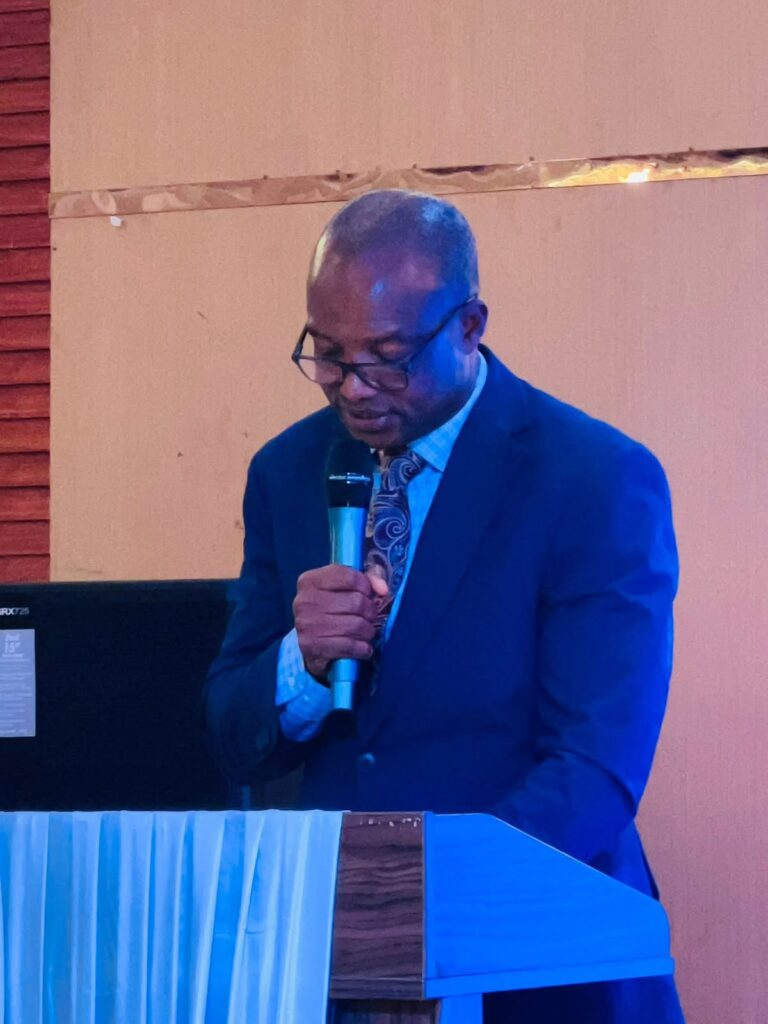
He called on commercial banks to design financial products specifically for women-owned businesses while proposing reforms addressing collateral challenges associated with customary land ownership. Wilfred also advocated establishing a specialized Financial Court to expedite commercial disputes and creating an Insurance Commission to strengthen confidence in Liberia’s financial sector.
Former President Ellen Johnson Sirleaf emphasized that expanding women’s financial inclusion depends on accountable leadership, transparent institutions, and responsible borrowing practices.
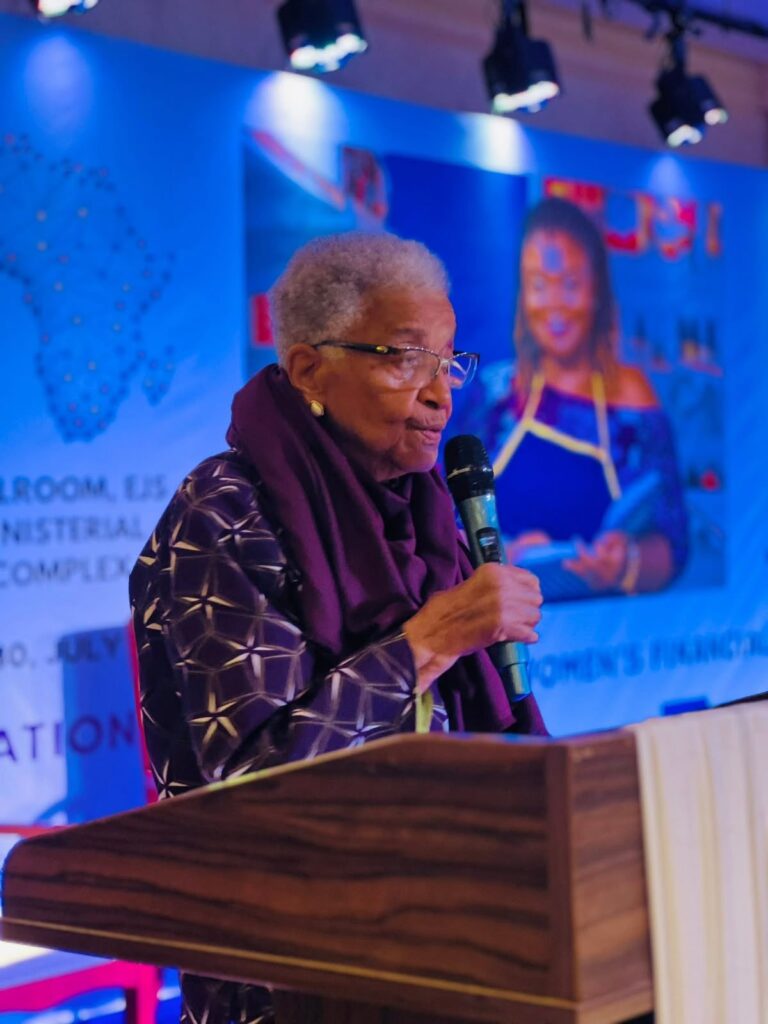
She encouraged women entrepreneurs to continue demonstrating sound financial management and maintaining the strong repayment culture for which many Liberian women have become known.
Deputy Minister for Gender, Children and Social Protection Atty. Laura Golakeh challenged stereotypes suggesting market women cannot successfully manage larger investments. Instead, she argued that the principal challenge remains inadequate access to meaningful financing opportunities capable of transforming small businesses into competitive enterprises.
Senator Amara Konneh, Co-Chair of the Senate Committee on Banking and Currency, rallied support for the proposed Informal Economy Development and Protection Act of 2026, describing it as a major step toward simplifying business registration, strengthening the informal economy, and expanding access to finance.
World Bank Country Manager Georgia Wallen underscored the economic importance of investing in women, noting that despite producing the overwhelming majority of Liberia’s food, women remain significantly underrepresented in formal business ownership.
A Roadmap for National Development
As delegates departed the Ministerial Complex, there was broad agreement that the conference’s recommendations represent more than policy proposals—they constitute a national roadmap for inclusive economic growth.
Participants emphasized that successful implementation will require sustained collaboration among government ministries, regulators, financial institutions, telecommunications companies, insurance providers, development partners, civil society organizations, community leaders, and the private sector.
For thousands of Liberian women striving to expand market stalls into companies, farms into agribusinesses, and small enterprises into engines of employment, the conference offered renewed optimism that meaningful reforms may finally be within reach.
Whether through affordable credit, stronger digital financial systems, secure land rights, expanded insurance coverage, improved financial literacy, or more responsive public policies, delegates agreed that investing in women’s economic empowerment is ultimately an investment in Liberia’s future.
AWLN Chair Marjon V. Kamara, Liberia’s diplomat and former Minister of Foreign Affairs, told reporters after the conference that the initiative is the largest gathering of the AWLN.
“We want to thank each and every one of you, including our partners and sponsors, for making this opportunity a reality. The two days were impactful and exciting. We will continue this mission by organizing more conferences like this one to help the women of Liberia,” she said.
Participants’ Impressions
As the conference concluded, participants expressed hope that the commitments made under the banner “Catalyzing Access. Unlocking Enterprise. Advancing Liberia” will move beyond conference resolutions and evolve into concrete actions that enable Liberian women to build resilient businesses, create jobs, reduce poverty, and play an even greater role in shaping the country’s economic future.
Naomi Sisco, representing the business community, said the conference created an important opportunity for women entrepreneurs to engage directly with financial institutions and policymakers on the challenges affecting their businesses.
“This conference has shown that when women are given the right support, access to finance, and opportunities to connect with key stakeholders, they can expand their businesses and contribute even more to Liberia’s economy,” she said.
Roselina Y. Cassell of the Women Education and Development Organization of Liberia said the gathering was a significant step toward addressing barriers that have limited women’s access to financial services.
“The discussions and recommendations from this conference have highlighted the need for stronger partnerships and practical solutions that will help women move from small-scale businesses to sustainable enterprises,” she said.
