

By: Aaron Kubahn
aaronkubahn2015@gmail.com
0888832186/0776049985
Monrovia, Liberia – The Central Bank of Liberia (CBL) has maintained its key monetary policy rate at 16.25 percent, citing rising global uncertainties and inflation risks, while reassuring the public that the country’s banking system remains stable and secure.
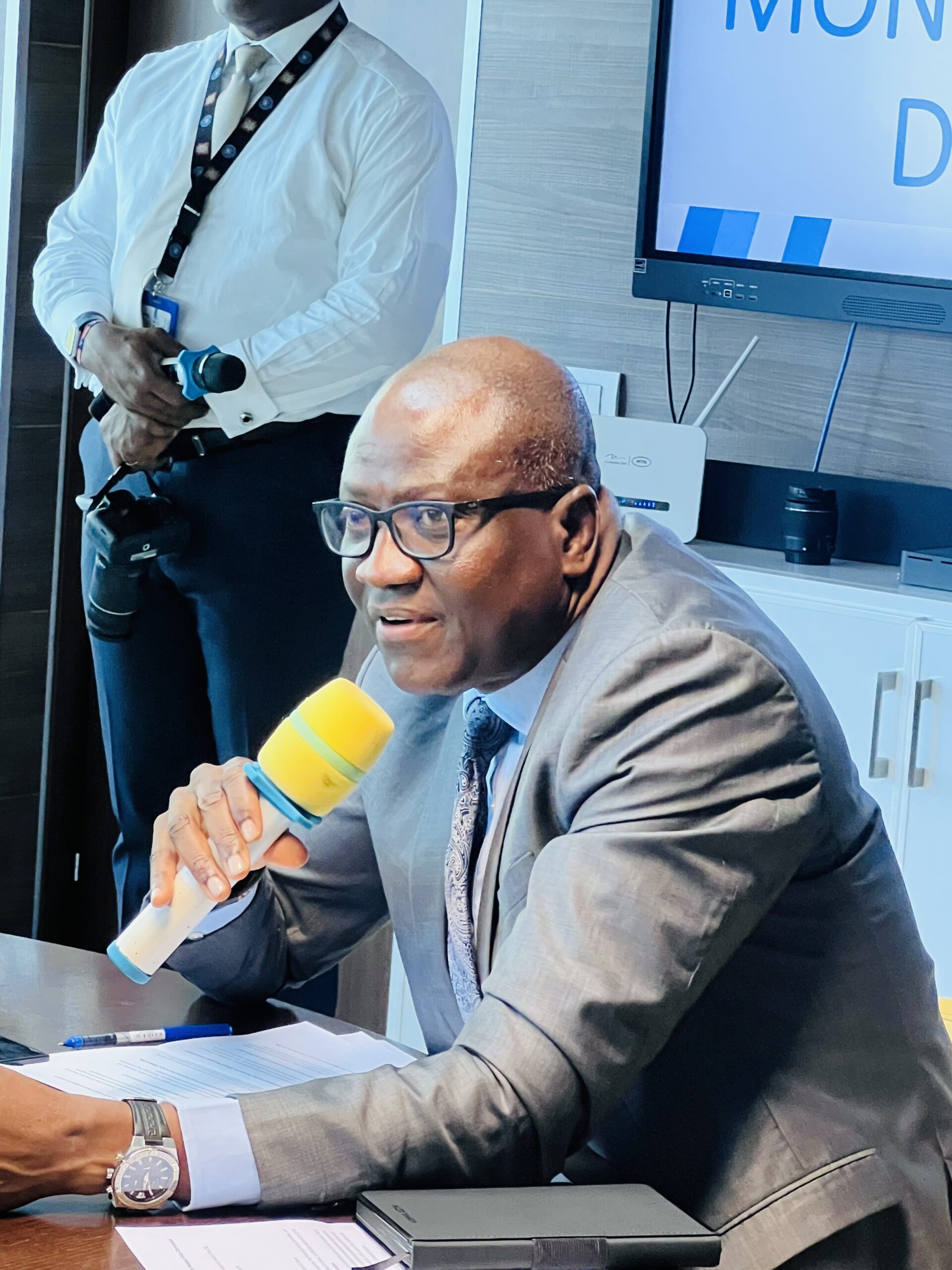
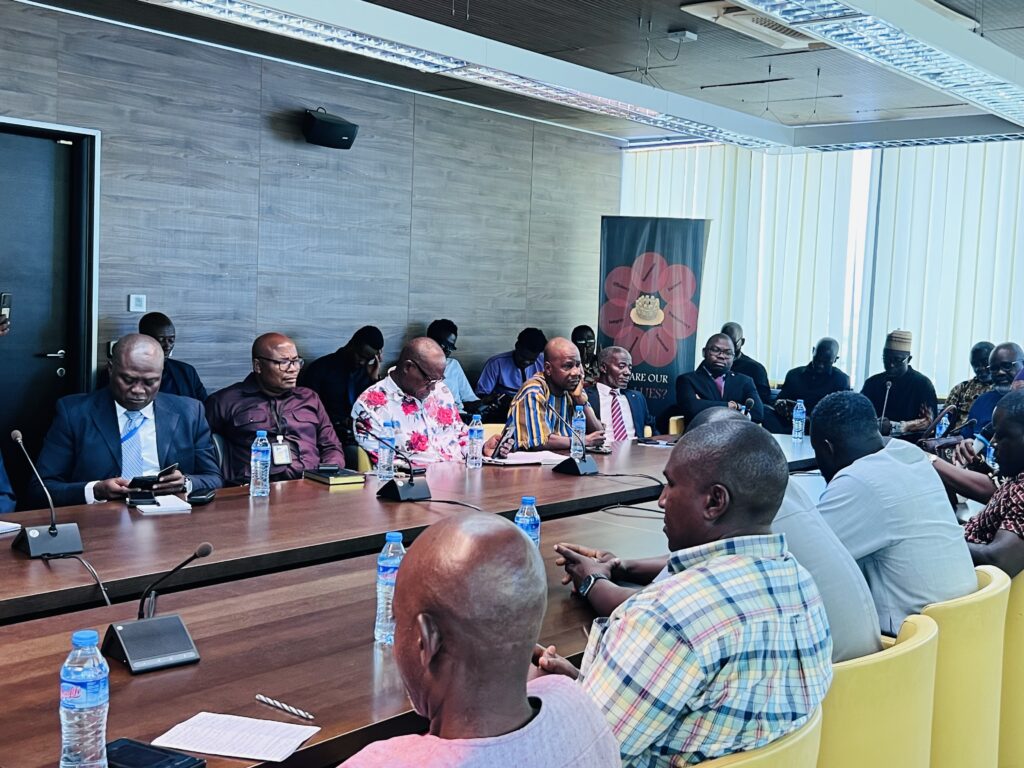
The decision was announced Thursday by Central Bank Governor Henry Saamoi during the reading of the Monetary Policy Committee (MPC) communiqué following its April 27 meeting at the Central Bank of Liberia.
Governor Saamoi said the Bank’s decision reflects a cautious approach aimed at preserving price stability while sustaining economic growth amid a challenging global environment marked by geopolitical tensions, rising oil prices, and tightening financial conditions.
“Stability today is the foundation for growth tomorrow, and the Central Bank of Liberia will continue to act responsibly in the best interest of all Liberians,” he stated.
According to the MPC, inflation declined to 3.6 percent in the first quarter of 2026, down from 4.4 percent in the previous quarter, largely due to easing food prices. However, the Bank warns that inflation is expected to edge upward in the coming months, potentially reaching around 5.3 percent, driven by higher imported fuel and food costs as well as exchange rate pressures. Despite this anticipated increase, inflation is projected to remain within the Bank’s single-digit target range.
“I want to make it very clear to the Liberian people that there is no bank in a distress situation,”
The Liberian economy continues to demonstrate resilience, with growth projected at 5.1 percent in 2026. The expansion is being driven primarily by strong performance in mining, agriculture, and a rebound in manufacturing and services. Nonetheless, the Bank highlighted significant risks to the outlook, including global economic slowdown linked to tensions in the Middle East, rising commodity prices, and external financial pressures that could affect Liberia’s stability.
On the external front, the Liberian dollar depreciated modestly by about 2.9 percent during the quarter, reflecting ongoing vulnerabilities in the foreign exchange market. At the same time, export earnings increased, supported by gold, iron ore, and timber, while imports also rose, narrowing the trade deficit. The country’s gross international reserves improved to approximately US$722.5 million, equivalent to about 2.9 months of import cover.
Meanwhile, Governor Saamoi used the occasion to directly address growing public concerns about the health of Liberia’s banking sector, dismissing rumors that some commercial banks are facing financial distress.
Governor Saamoi, assured the public that the country’s banking system remains stable and secure.
His comments follow recent reports suggesting that some banks, particularly Guaranty Trust Bank Liberia, were experiencing difficulties in meeting customer withdrawals.
“I want to make it very clear to the Liberian people that there is no bank in a distress situation,” Saamoi said firmly.
He explained that although banks are dealing with challenges such as non-performing loans, they remain financially strong, well-capitalized, and liquid. He noted that banks currently hold excess liquidity but are exercising caution in lending due to concerns about loan repayment.
Speaking further during the communiqué reading, the Governor reassured depositors across the country that their funds are safe within the banking system.
“Every depositor can go to bed and sleep knowing that your money is safe,” Saamoi added.
He also emphasized the Central Bank’s ongoing commitment to maintaining financial stability and protecting depositors, stressing that regulatory measures and policy tools remain in place to safeguard the system. “Liberia’s banking system is safe, solid, and not in crisis,” the Governor revealed.
In addition to holding the policy rate steady at 16.25 percent, the Monetary Policy Committee also decided to maintain existing reserve requirements for commercial banks, keeping them at 25 percent for Liberian dollar deposits and 10 percent for U.S. dollar deposits. The Bank also retained its current interest rate corridor framework, signaling continuity in its policy stance as it monitors evolving economic conditions.
The Central Bank says it will continue to closely track both domestic and global developments and stands ready to take further action if inflationary or financial stability risks intensify. The next meeting of the Monetary Policy Committee is scheduled for July 15, 2026.
