

By Staff Writer
MONROVIA, Liberia — The National Non-Performing Loans (NPL) Resolution Conference has ended in Monrovia with the adoption of major reforms aimed at reducing bad loans, strengthening the banking sector, and improving access to credit for businesses and individuals.
The three-day conference was held from September 9–11, 2026, under the theme: “Strengthening Liberia’s Credit Environment for Sustainable Economic Growth.” The conference brought together government officials, financial institutions, private-sector representatives, legal experts, development partners, and other stakeholders to discuss the growing impact of non-performing loans on Liberia’s economy.
President Boakai: NPLs Are a National Development Challenge
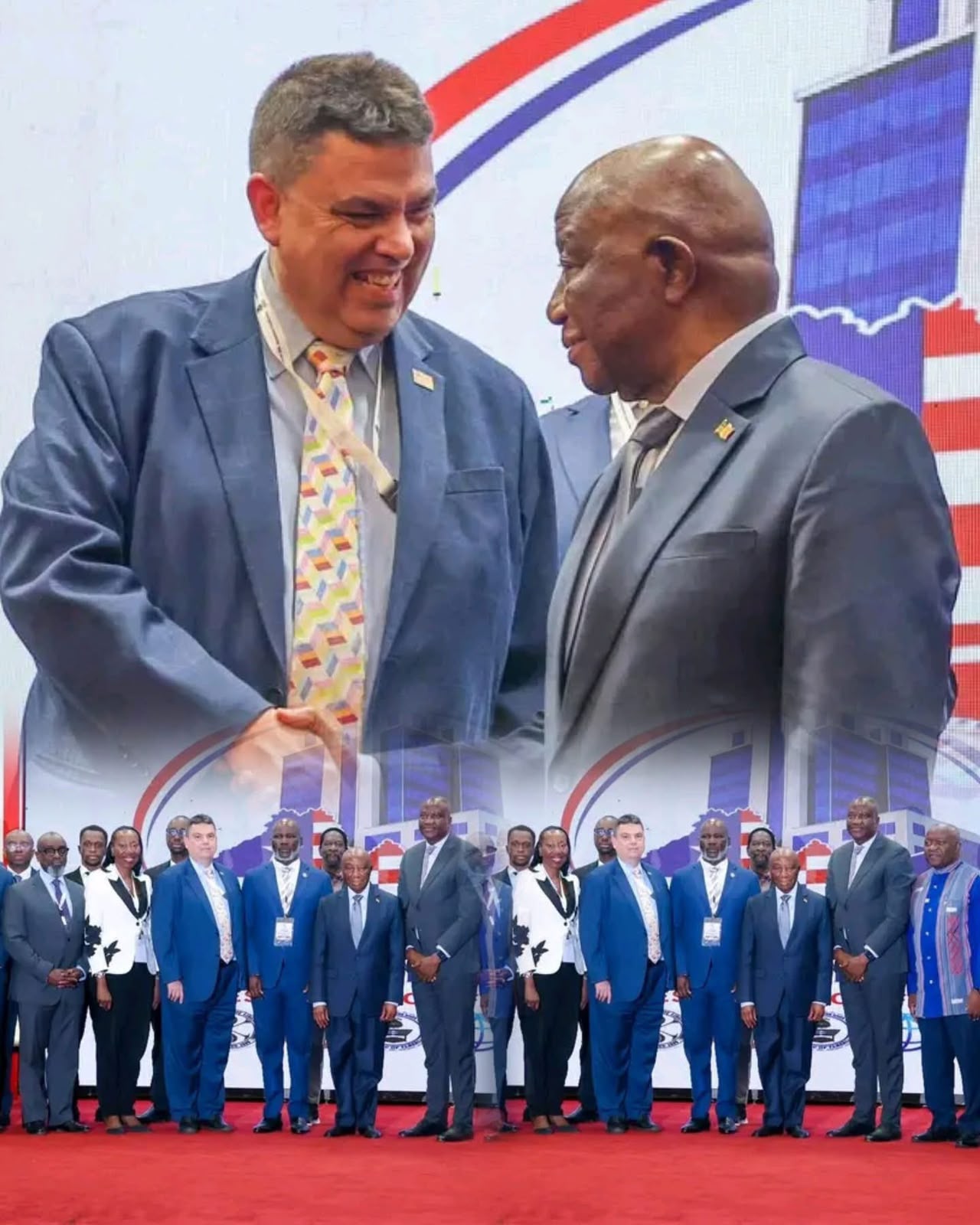
Opening the conference, President Joseph Nyuma Boakai, Sr. described non-performing loans as more than a banking-sector problem, saying the issue has become a national development challenge.
President Boakai explained that when borrowers fail to repay loans, money becomes tied up in the banking system. This makes banks more cautious about lending, increases the cost of credit, and limits financing for businesses, farmers, entrepreneurs, and other Liberians.
He said the effects are felt by young entrepreneurs seeking capital, farmers trying to expand production, businesses attempting to create jobs, and depositors whose funds are connected to the financial system.
According to President Boakai, resolving the NPL problem requires the collective efforts of commercial banks, borrowers, the Legislature, the Judiciary, the Executive, and development partners.He called for stronger credit reporting systems, improved land administration and collateral registration, increased use of technology in credit assessment, digital financial services, and a modern insolvency framework.
The President said the success of the conference would not be measured by speeches or policy statements alone, but by the implementation of the decisions reached.
Governor Saamoi Warns of Persistent Bad Loans
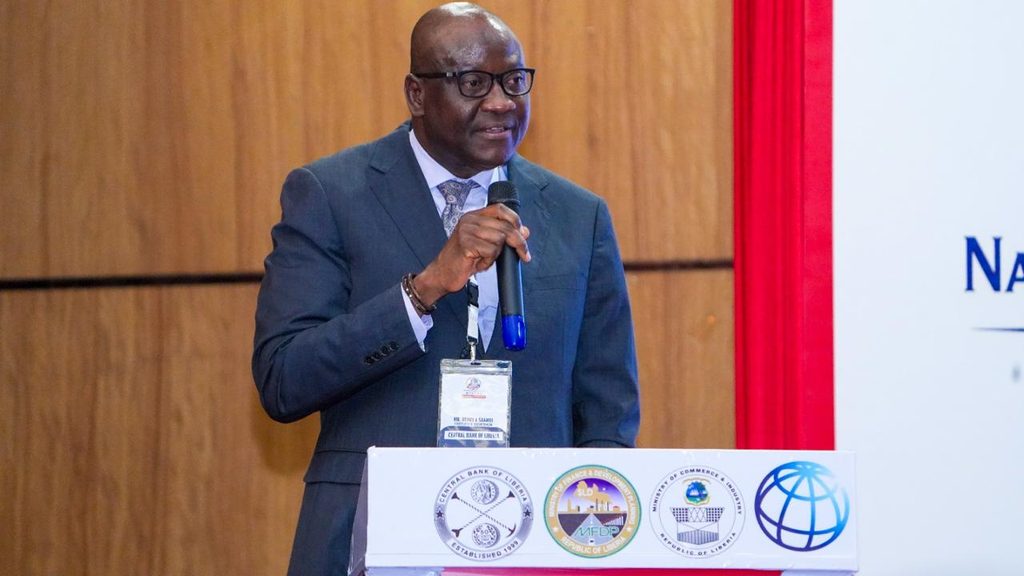
Central Bank of Liberia Executive Governor Henry F. Saamoi also spoke at the conference, warning that Liberia’s high level of non-performing loans continues to restrict access to credit and undermine private-sector growth.
Reports published by The New Dawn, Liberia News Network, and New Republic quoted Governor Saamoi as saying that Liberia’s NPL ratio stood at 19.1 percent at the end of 2024, nearly twice the prudential benchmark.
He said the ratio later declined to 12.9 percent in 2025, but cautioned that the improvement was largely linked to loan restructurings and write-offs rather than the sustainable recovery of distressed loans.
Governor Saamoi said a healthy banking system should generally maintain non-performing loans at 5 percent or below.He also compared Liberia’s situation with other countries in the region, noting that Ghana recorded an NPL ratio of 21.8 percent in 2024, while Nigeria recorded 8.1 percent, Guinea 6.7 percent, and The Gambia 4.6 percent.
The CBL Governor said the high level of bad loans limits the ability of banks to provide financing at a time when entrepreneurs need capital to expand businesses, farmers need support to increase production, and manufacturers require investment to grow.
He stressed that the NPL crisis cannot be resolved by the Central Bank or commercial banks alone.
Governor Saamoi called for collective responsibility among the Government, regulators, financial institutions, borrowers, the Judiciary, and development partners.
He said the success of the NPL resolution process should not only be measured by a reduction in the NPL ratio, but also by improved access to credit, stronger businesses, increased investment, job creation, and better livelihoods for Liberians.
National NPL Task Force Announced
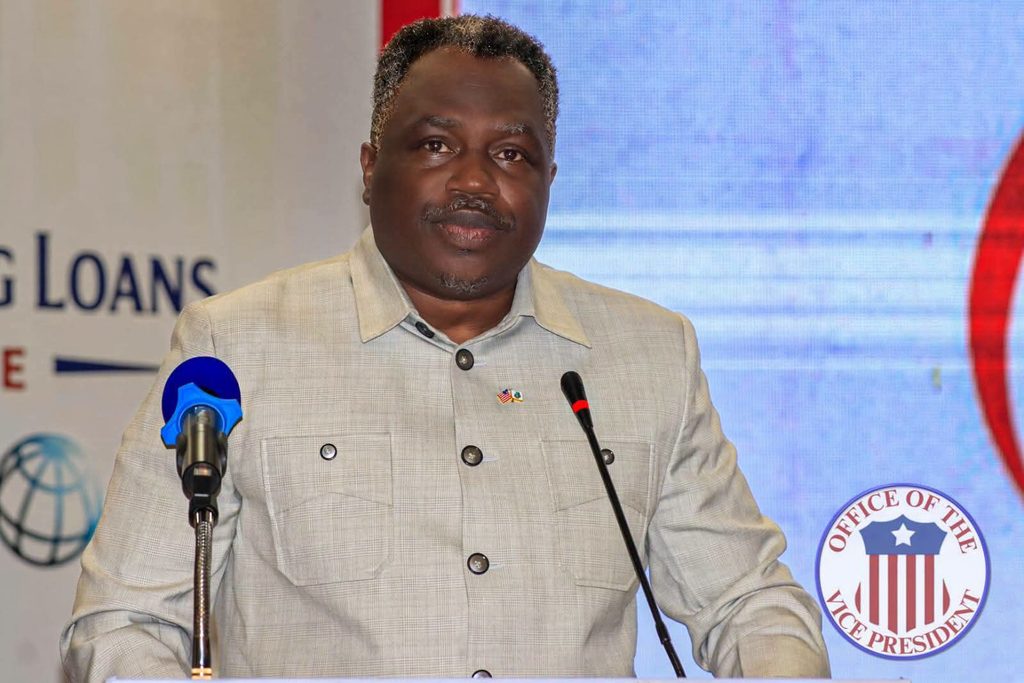
The major announcement from the closing ceremony was the establishment of a National NPL Task Force. Vice President Jeremiah Kpan Koung, Sr., speaking on behalf of President Boakai, announced that the task force will bring together institutions and experts responsible for addressing Liberia’s financial, legal, and economic challenges.
The task force is expected to include representatives from the: Central Bank of Liberia; Ministry of Finance; Ministry of Justice; Financial institutions; Relevant government institutions; and Technical experts.
Vice President Koung called on the relevant stakeholders to finalize the composition of the task force, develop its terms of reference, and prepare an action plan to guide its work.
He said the task force must help move the country from discussions to practical action in resolving the NPL problem.
According to Vice President Koung, the history of the conference will not be judged by the quality of the speeches delivered, but by the seriousness of implementation.
Vice President Koung Calls for Collective Action
In his closing remarks, Vice President Koung said non-performing loans affect bank balance sheets and reduce access to financing for businesses and individuals.
He said the problem also affects investment, entrepreneurship, job creation, and broader economic growth. The Vice President said the Government remains committed to reforms that will strengthen Liberia’s financial sector and create a better environment for private-sector development. He stressed that the responsibility for resolving NPLs does not rest with the Government alone.
According to him, banks must improve lending and risk-management practices, borrowers must honor their repayment obligations, and the justice system must support timely debt recovery. He urged all stakeholders to work together to ensure that the resolutions adopted at the conference are implemented.
Eight Major Resolutions Adopted
Following the speeches and discussions, participants adopted eight major resolutions to address Liberia’s non-performing loan challenges.
1. National NPL Resolution Framework—Participants agreed to develop a National NPL Resolution Framework to reduce existing non-performing loans and prevent the future accumulation of bad loans.
2. Stronger Banking Regulation and Supervision—The conference called for stronger prudential regulation and supervision, including improved credit underwriting, risk management, loan classification, provisioning, and supervisory oversight. Banks are also expected to develop measurable plans for reducing NPLs.
3. Legal and Judicial Reforms—Participants called for reforms to insolvency procedures, collateral enforcement, debt recovery, and commercial dispute resolution. They also recommended the modernization of the Creditors and Borrowers Act to improve the legal environment for lending and loan recovery.
4. Government Arrears Resolution Mechanism—The conference recommended the establishment of a Government-Bank-Contractor Resolution Mechanism. The mechanism is intended to verify and settle government obligations connected to bank-financed contracts, particularly where unpaid government arrears may contribute to loan repayment difficulties.
5. Modern Credit—InfrastructureParticipants called for the modernization of Liberia’s credit infrastructure. This includes stronger credit reporting systems, collateral registries, borrower identification systems, and technology-enabled credit assessments. The conference also recommended exploring a Bank Verification Number or a comparable national identification system to improve the identification and assessment of borrowers.
6. Distressed Asset Resolution—The conference recommended a feasibility assessment for the establishment of an Asset Management Company. It also called for the exploration of market-based mechanisms to resolve distressed assets and improve the recovery of non-performing loans.
7. Responsible Borrowing and Credit Discipline—Participants emphasized the need for responsible borrowing, borrower accountability, financial literacy, sound corporate governance, and early engagement between banks and borrowers when repayment problems arise.
8. Inclusive Access to Credit—The conference called for improved access to financing for micro, small, and medium-sized enterprises, women-owned businesses, youth entrepreneurs, agricultural value chains, and other underserved sectors. Participants also recommended credit guarantees and innovative financing arrangements to support inclusive lending.
Central Bank to Coordinate Implementation
The resolutions provide for the establishment of a National NPL Resolution Coordination and Implementation Mechanism under the leadership of the Central Bank of Liberia. The Central Bank is expected to coordinate the implementation of the resolutions and work with relevant government institutions, financial institutions, and other stakeholders.
The conference also called for the development of a National NPL Resolution Roadmap within three months. The roadmap is expected to outline responsibilities, timelines, measurable benchmarks, and a system for quarterly reporting on progress.
Focus Shifts to Implementation
The NPL conference ended with a call for stronger cooperation among government institutions, banks, borrowers, the Judiciary, and development partners. The resolutions are intended to strengthen Liberia’s credit environment, improve confidence in the banking sector, support private-sector growth, and expand access to financing.
With the announcement of the National NPL Task Force and the planned implementation roadmap, attention now shifts to how quickly the Government and other stakeholders can turn the conference decisions into concrete action.
The conference emphasized that the ultimate test will be whether Liberia can reduce bad loans, improve lending conditions, expand access to credit, support businesses, create jobs, and strengthen the country’s broader economic development.
