

By: Allen Woah, Contributing Writer
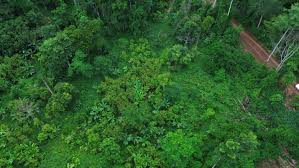
Suakoko, Bong County — The Sustainable Development Institute (SDI), in partnership with Welthungerhilfe (WHH), is making significant strides in promoting climate-smart agriculture in several rural communities already faced by the growing threat of deforestation and climate change.
Through targeted interventions, SDI and WHH are helping rural farmers in Bong County to transition from harmful practices to more sustainable methods that improve productivity while protecting the environment. The initiative is also introducing alternative livelihood opportunities such as Village Savings and Loan Associations (VSLA), beekeeping, and short-term crop production to reduce dependence on charcoal production. “Trees give us oxygen. When forests are destroyed, it affects our farming system, our environment, and our very survival,” said SDI representative Nuetah Dawokalah.
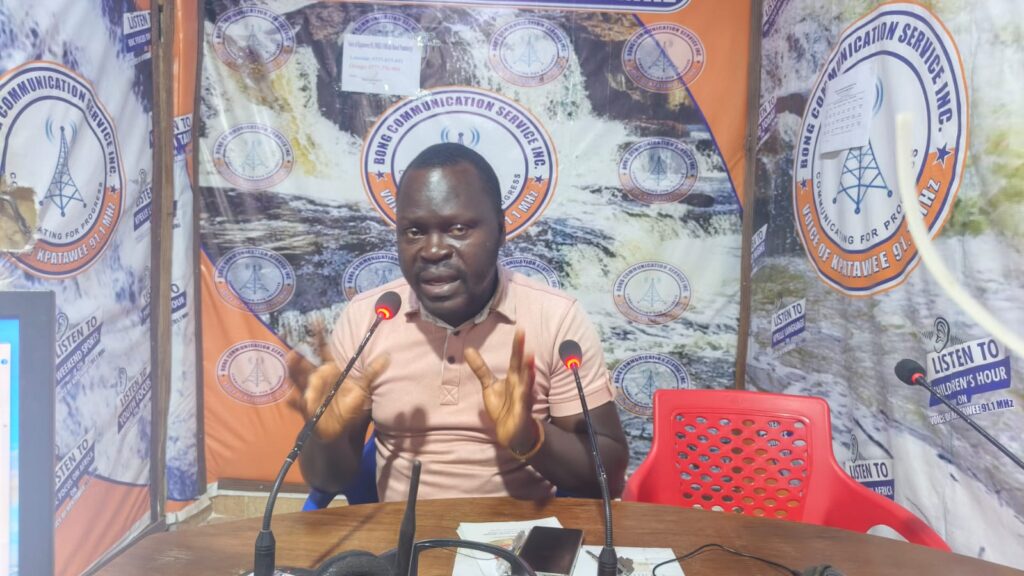
As part of its long-term strategy, SDI plans to establish four tree nurseries across Suakoko District, one of the regions highly hit by deforestation and bio diversity lost in the county. He explained that the nurseries will produce forest and fruit tree seedlings to support reforestation efforts while also creating income opportunities for local residents. By integrating trees into farming systems, the program aims to restore degraded lands and strengthen climate resilience.
Practices such as charcoal production and slash-and-burn farming remain widespread, contributing to the rapid loss of forest cover.
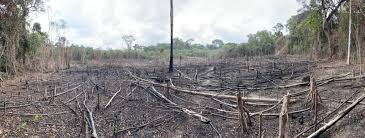
According to SDI, many farmers are already experiencing declining crop yields and reduced soil fertility as forest resources diminish.“Crops are no longer producing like before because the forest that supports soil fertility is gone,” Dawokalah noted.
Environmental experts warn that deforestation disrupts entire ecosystems. The Food and Agriculture Organization highlights that forests regulate rainfall, protect water sources, and prevent soil erosion. Without them, communities face rising temperatures, erratic rainfall, and increased risks of flooding and drought—conditions that directly affect food production.
Global reports from the United Nations Environment Programme also indicate that deforestation contributes significantly to climate change by reducing the planet’s capacity to absorb carbon dioxide. For rural communities in Bong County, this means increased vulnerability, food insecurity, and worsening living conditions if urgent action is not taken.
As Liberia joins the world in observing World Forest Day, stakeholders are calling for stronger collaboration among government, civil society, and local communities to address the crisis.
Amid rising deforestation, the SDI-WHH initiative stands as a key response, promoting sustainable farming, restoring forests, and offering communities a pathway toward environmental protection and economic resilience.
